Understanding the Multisensory
Nature of Flavor

How do we choose what foods to eat? Eating is a dynamic, multisensory process shaped by odor, taste, and texture. Odors and tastes arise from complex mixtures of compounds that are released as foods are manipulated in the mouth and evolve over time. Our lab's research focuses on identifying the chemical, structural, and temporal features of sensory stimuli that drive the perceptual organization of flavor, with the goal of uncovering general principles governing food choice across individuals with intact and altered sensory systems.

We are engaged in academic and industry research and provide fee-based sensory testing services through the Texas A&M Sensory Science Facility.
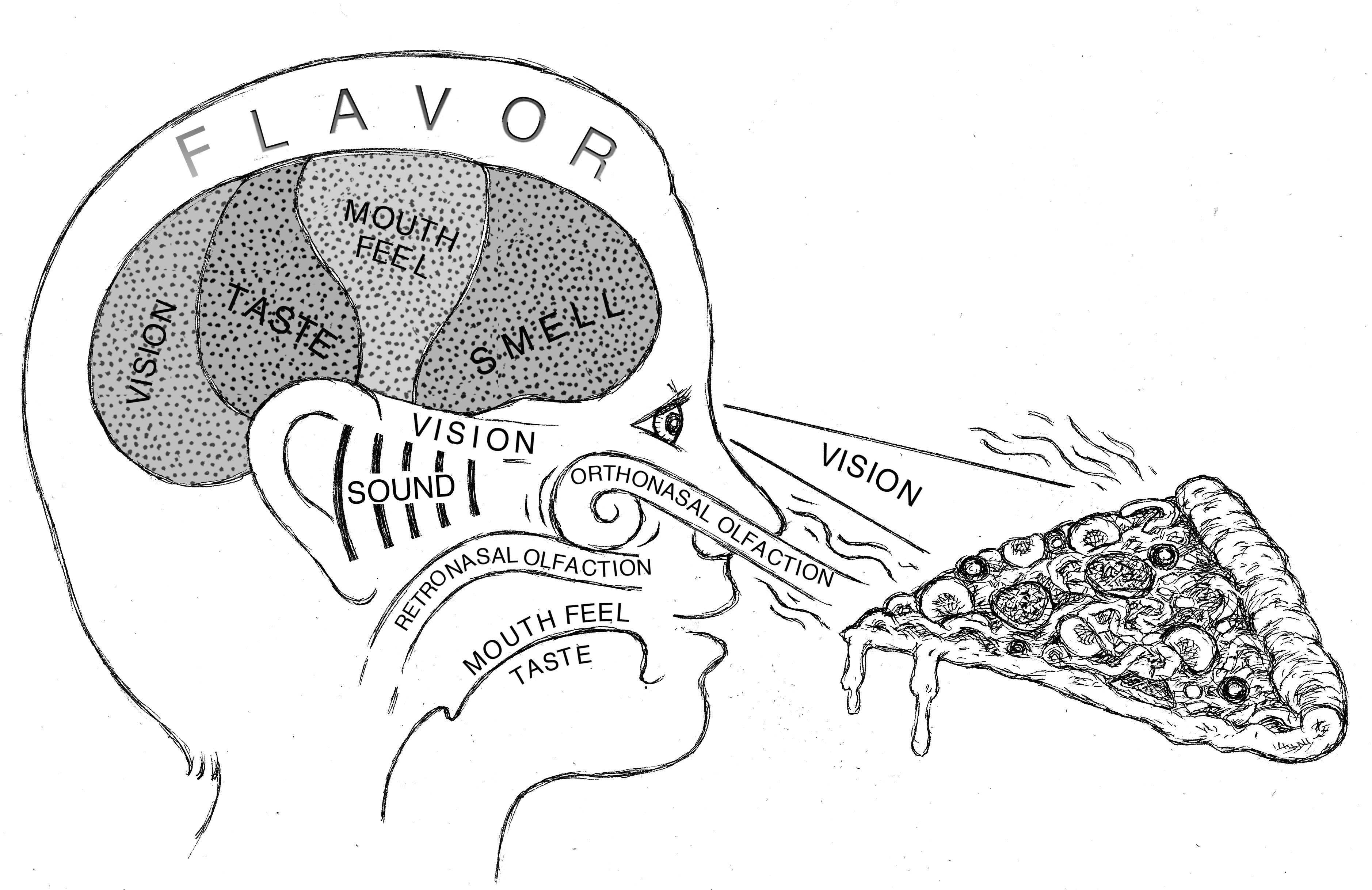
Five senses diagram showing taste, smell, sight, hearing, and touch

Sensory Science is a Study of Measurement

We apply sensory methodology and instrumental tools to characterize the appearance, smell, flavor, texture, and liking of foods, bridging human perception and chemical composition.

πŸ‘οΈ

Appearance

Colorimetry, visual grading, and standardized lighting conditions for objective appearance assessment.

πŸ‘ƒ

Aroma

Gas chromatography / mass spectrometry (GC-MS) and psychophysical methods for odor characterization.

πŸ‘…

Flavor

Consumer panels, trained sensory panels, and instrumental methods to capture taste and retronasal olfaction.

βœ‹

Oral Texture

Texture profile analysis, Warner–Bratzler shear force, and water activity measures linked to mouthfeel.

What We Do

From fundamental research to fee-based industry services, our lab operates at the intersection of basic science and real-world application.